Why Routine Vaccinations Are Just as Important as Travel Vaccinations
When planning an overseas holiday, many people think about travel vaccines such as hepatitis A, typhoid or yellow fever.
But there is another important question we ask travellers:
Are your routine vaccinations up to date?
Routine vaccines may not appear on a country’s entry requirements, but that doesn’t mean the diseases they protect against disappear when you board a plane.
In fact, the World Health Organization recommends that travellers ensure their routine vaccinations are up to date before travel.
Not Required for Entry Doesn’t Mean Not Important
Some vaccines are required for entry into certain countries. However, most vaccination recommendations are designed to protect your health, not simply satisfy border requirements.
Diseases such as influenza, COVID-19, measles, whooping cough and pneumococcal disease can occur while you are overseas.
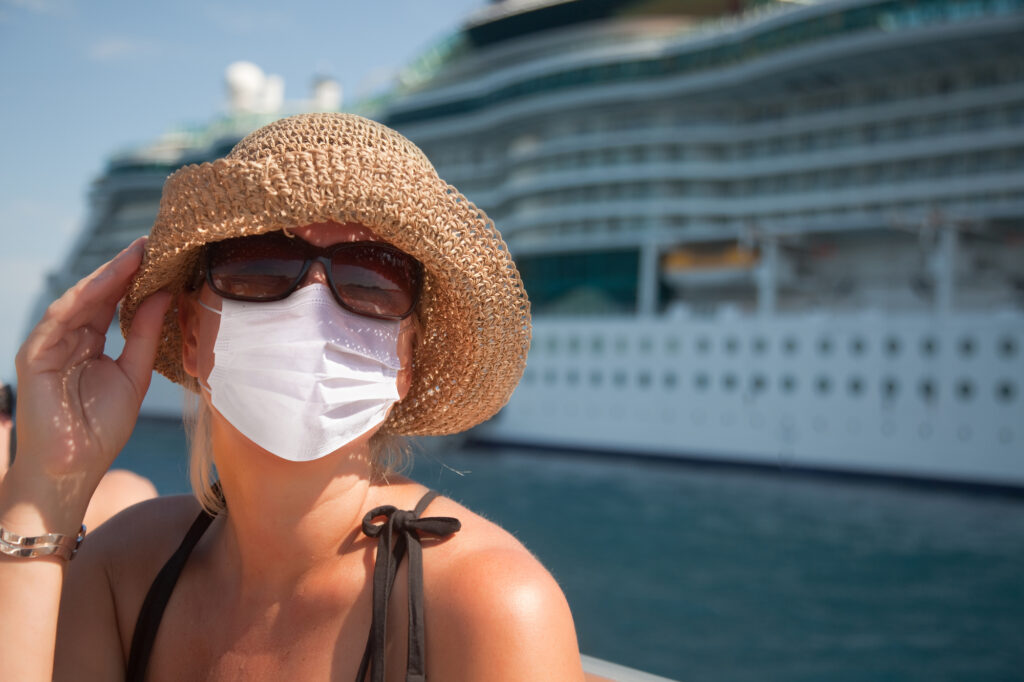
Travel also brings us into contact with large numbers of people through airports, aeroplanes, cruise ships, public transport, hotels and busy tourist attractions.
You may be travelling to a country where a vaccine-preventable disease is circulating more commonly than it does in Australia.
A good example is measles. The Australian Immunisation Handbook identifies international travel as a significant source of measles cases being brought into Australia and recommends that Australians born during or since 1966 have evidence of two doses of a measles-containing vaccine before overseas travel.
Getting Sick Overseas Can Be Very Different to Getting Sick at Home
When we become unwell in Australia, we often know what to do.
We know where our GP is. We can speak with our pharmacist. We understand how to access a hospital and, importantly, we understand the healthcare system.
Overseas, this may be very different.
You may face language barriers, unfamiliar healthcare systems, difficulty accessing your medical history, unexpected medical costs or delays in finding appropriate treatment.
For older travellers and people living with chronic health conditions, an infection may also have a greater impact on their overall health.
An illness that may have been preventable could mean missing part of your holiday, cancelling a cruise or tour, or requiring medical treatment far from home.
Routine Vaccines Are Part of Travel Health Too
Depending on your age, health conditions and vaccination history, your pre-travel health check may include reviewing protection against:
- Influenza
- COVID-19
- Measles, mumps and rubella
- Whooping cough
- Pneumococcal disease
- Shingles
- Tetanus, diphtheria and polio
This is in addition to destination-specific vaccines that may be recommended for your itinerary.
The World Health Organization includes routine vaccines such as seasonal influenza, measles, mumps, pertussis and rubella as important considerations for travellers.
The Risk of Not Checking Your Vaccinations
One of the biggest risks is simply assuming you’re protected.
Many adults don’t have a clear record of their vaccination history. Some vaccines require boosters, while recommendations may change as we age or develop new health conditions.
Influenza vaccination is recommended annually, and international travellers should pay attention to influenza season and circulating strains at their destination.
Similarly, travellers may discover they have only received one measles-containing vaccine when two doses are recommended for protection.
Waiting until the week before departure may also limit your options. Some vaccinations require multiple doses or time for your immune system to develop protection.
Add a Vaccination Check to Your Travel Checklist
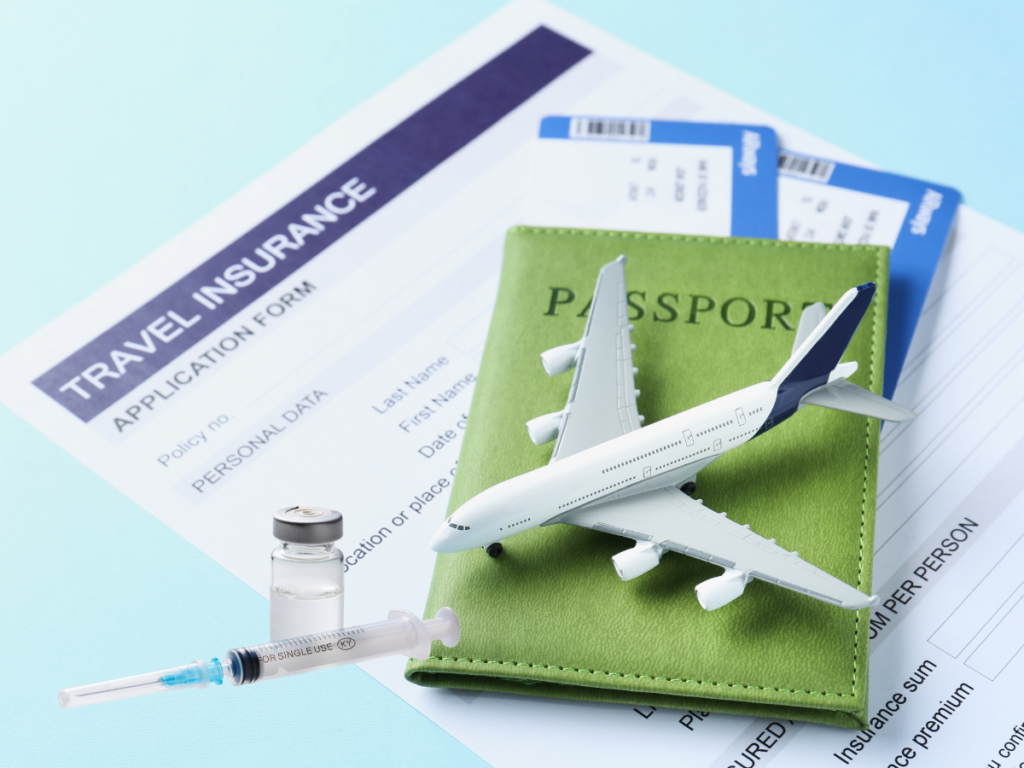
You check your passport.
You organise travel insurance.
You pack your medications.
Checking your routine vaccinations should be part of your travel preparation too.